
Culinary specialties of Aix-en-Provence: what to taste during your stay
Calisson, aïoli, tapenade, pistou, panisse and olive oil: a tour of Provençal flavours and their cousins across the Mediterranean.
In short
- The calisson is the signature of Aix: an almond and candied melon confection on a wafer, topped with royal icing.
- At the table, try aïoli, tapenade, anchoïade, pistou soup, tian and fougasse.
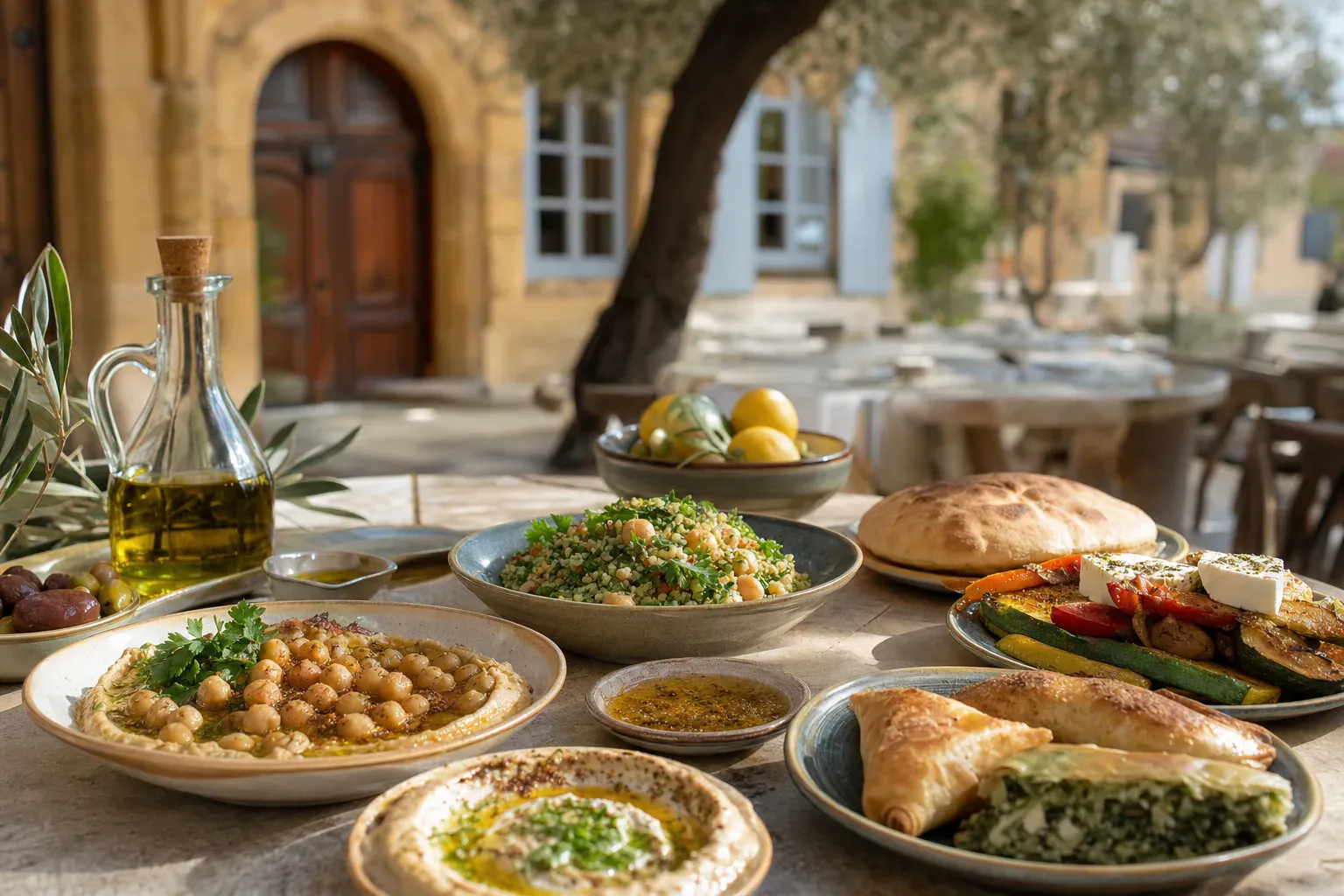
- Olive oil links Provence to North Africa and the Levant; chickpeas link panisse to hummus.
Visitors come to Aix for its light, its fountains and the ochre façades of the Cours Mirabeau, and often leave with an unexpected souvenir: a taste. The sweet almond of a calisson, tapenade on toast at aperitif time, a spoonful of pistou soup on a summer evening, or green, peppery olive oil poured over a piece of bread.
This guide focuses on products and dishes rather than addresses. It gives you the bearings to know what to taste during your stay, explains where these specialties come from, and shows how they echo the cuisines of the other side of the Mediterranean. Provence is no culinary island: its oil, herbs and pulses turn up under other names from North Africa to the Levant.
The calisson, the emblematic confection of Aix
If you remember only one specialty, make it this one. The calisson is inseparable from Aix-en-Provence: you find it in the windows of confectioners in the historic centre, in diamond-shaped gift boxes and on the tables of Provençal celebrations. Its almond-shaped silhouette is recognisable at first glance.
Origins and legends
The best-known legend links it to the 15th-century wedding of King René, Count of Provence, and Jeanne de Laval: a confectioner is said to have created it to make the young queen smile. It is a charming story, but it belongs to oral tradition rather than archives.
What is more certain is that almond and candied fruit confections are ancient all around the Mediterranean, and that Provence, rich in almond trees, made the tradition its own. Aix turned the calisson into its signature, to the point where the city and the sweet have become almost synonymous.
Almond, candied melon, royal icing
A calisson has three layers: a thin wafer base, a paste of ground almonds and candied melon, sometimes lifted with candied orange peel, and a glossy royal icing of icing sugar and egg white on top.
The result is soft rather than crunchy, with an almond fragrance and a discreet fruity note. Let it come back to room temperature and enjoy it in small quantities with a coffee or a herbal tea. If you take some home, keep the box away from heat and humidity.
Classics of the Provençal table
Provençal cooking is about produce: garlic, olive oil, sun-ripened vegetables and herbs.
Aïoli, tapenade, anchoïade
Garlic emulsion, olive and caper spread, anchovy dip: the trio of the Provençal aperitif.
Pistou soup, tian and summer vegetables
A summer vegetable soup finished with basil pistou, and a slow-baked vegetable gratin.
Fougasse and Provençal breads
A flat, slashed bread to share, and the olive oil pompe served at Christmas.
Olive oil, linking Provence and the Mediterranean
The Pays d'Aix, land of olive trees
Around Aix, olive groves shape part of the landscape between limestone hills and sunny plains. Aix-en-Provence olive oil holds a protected designation of origin, a sign of recognised know-how and a strong link between the product and its land.
To taste it, do as the producers do: a little oil on a spoon or on plain bread. Provençal oils often show notes of cut grass, artichoke or almond, with a light bitterness and a peppery finish that signal freshness.
From pistou to chermoula
Pounding fresh herbs with garlic and oil is a gesture shared all around the Mediterranean. In Provence it gives pistou; across the sea it gives chermoula, a North African marinade of coriander, parsley, garlic, cumin, paprika, lemon and olive oil.
The thyme, rosemary and savory of herbes de Provence have cousins in Levantine za'atar, a blend of dried herbs, sesame and sumac. The border between these cuisines is less a line than a gradient, as our spices guide explains.

Chickpeas, from panisse to hummus
In Provence chickpea flour becomes fried panisse; in the Levant chickpeas become creamy hummus.
Read our guide to the origins and classics of mezze.
Markets of Aix: where to see local produce
The historic centre has several markets; days and times vary, so check with the tourist office.
Tip: come early and build a picnic of fougasse, olives and fruit.
Producer markets
On the squares of the centre, including Place Richelme, local growers sell seasonal fruit, vegetables, goat cheese, honey and herbs: asparagus in spring, tomatoes in summer, squash in autumn.
Olives and oils
Green, black, cracked, with herbs or garlic: olive stalls are a show in themselves, and many also sell tapenades and local oils. Ask to taste before you buy.
Flowers, herbs and spices
Bunches of fresh herbs, herbes de Provence, dried lavender and sometimes spices from further afield: the markets reflect a city rooted in Provence and open to the Mediterranean.
Aix, a crossroads of Mediterranean cuisines
After local specialties, taste the other shore: the same oil, herbs and chickpeas, combined differently.
Mezze
Small plates to share.
Couscous
The great convivial dish of the Maghreb.
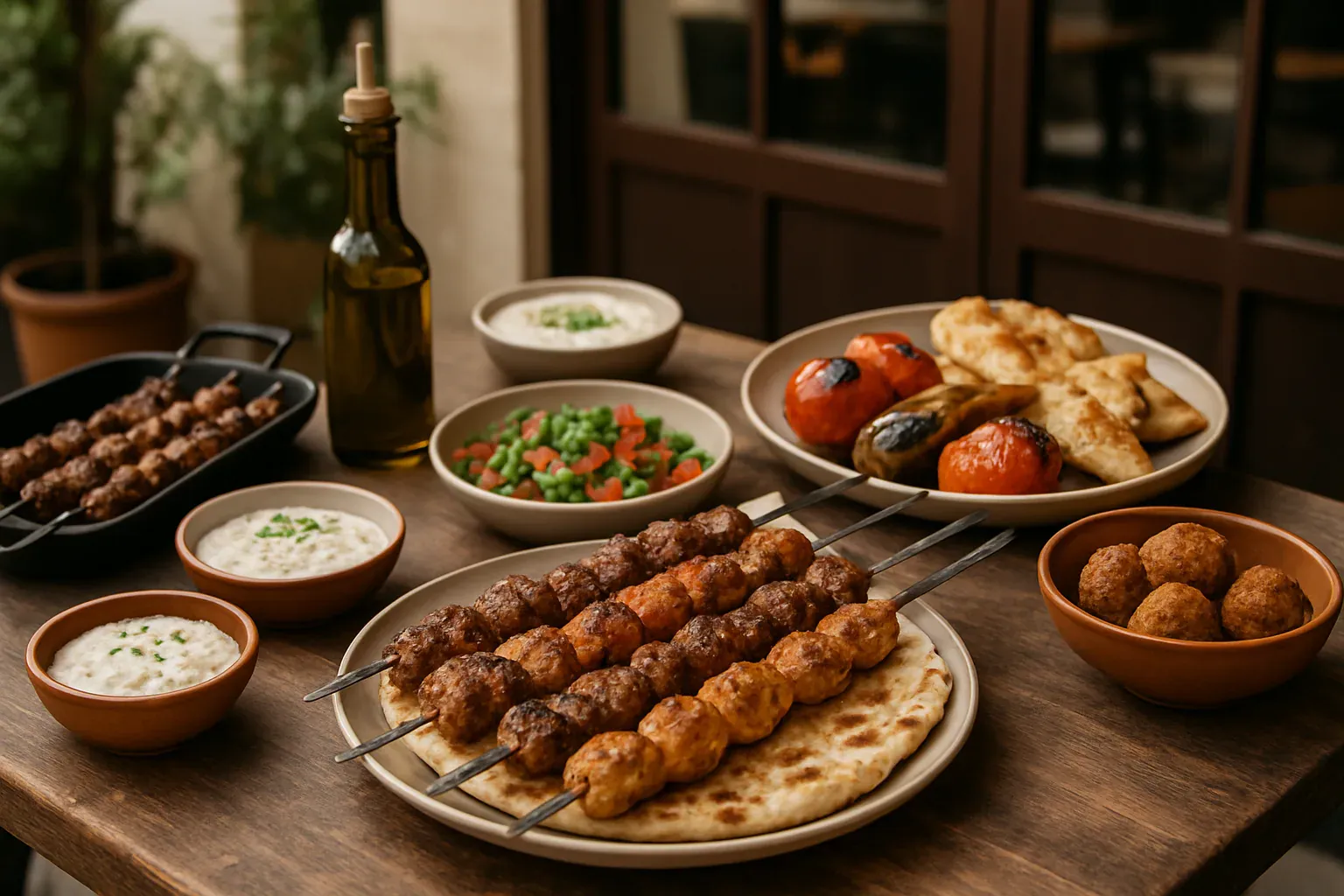
Grills
Meats marinated with spices and herbs.
Oriental pastries
Almond, honey and orange blossom.
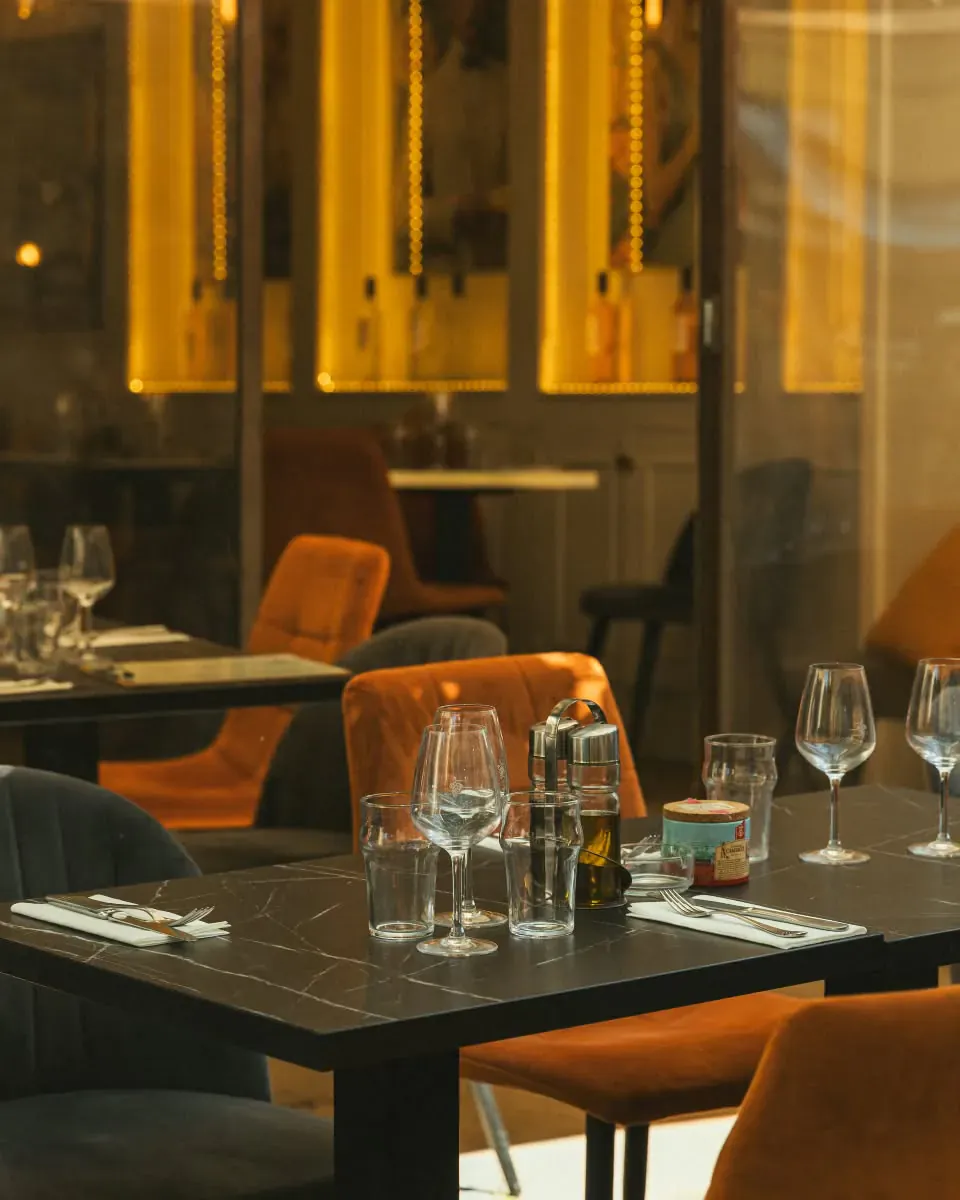
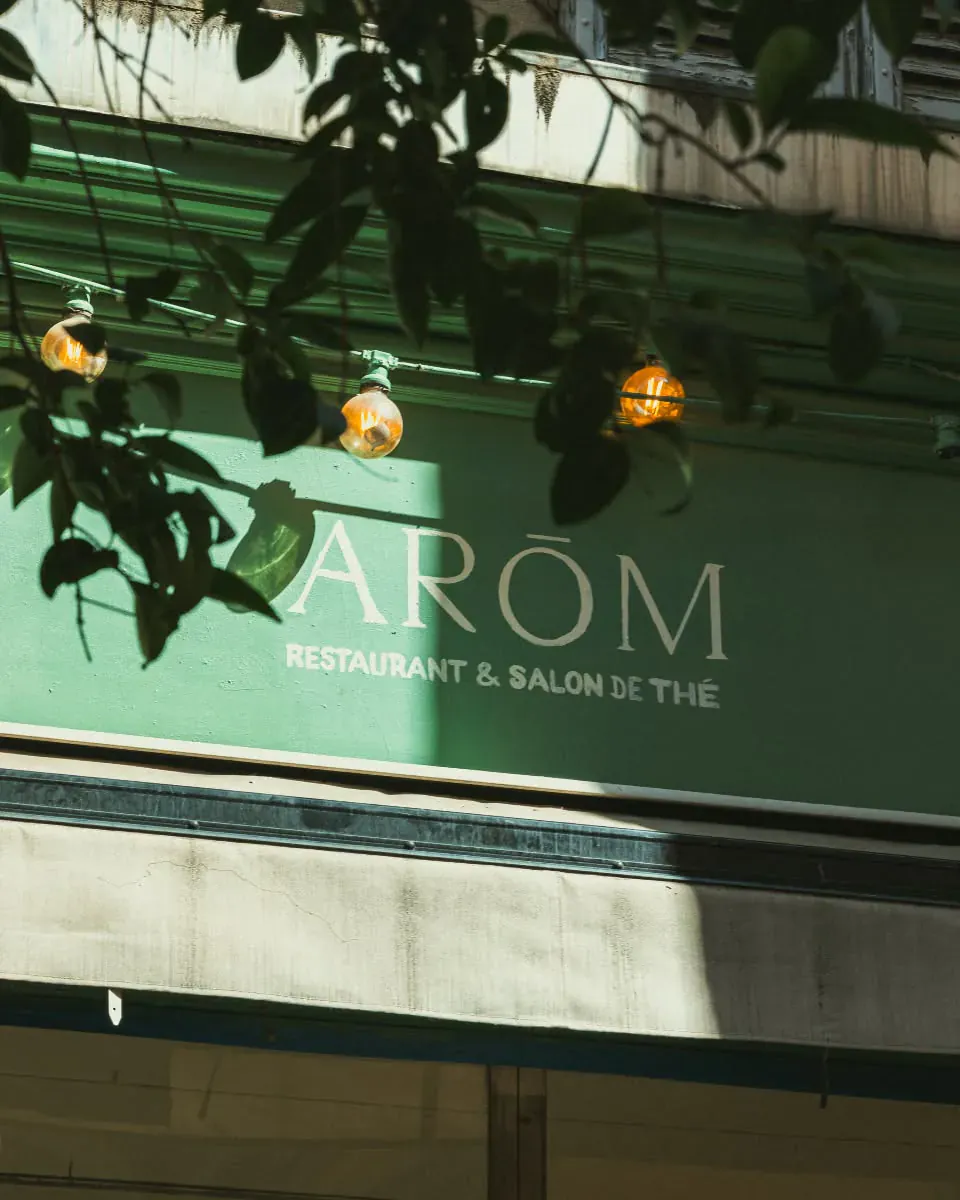
These great classics are best found in the city's specialist addresses. At 44 rue Espariat, AROM takes another route: homemade Mediterranean cooking that looks towards Italy, Spain and Greece, with a few nods to the other shore. The threads of this guide are all there: extra virgin olive oil on the Pan Con Tomate, pesto in the Dolce Positano as a cousin of pistou, and the Orient Express pairing beef keftas with hummus and zaatar.
Go further:
Summary table: what to taste and when
The specialties of this guide at a glance.
| Specialty | Type | When to taste it |
|---|---|---|
| Calisson | Almond confection | With coffee, or as a gift |
| Aïoli | Garlic and olive oil sauce | At lunch |
| Tapenade | Olive and caper spread | As an aperitif, on toast |
| Pistou soup | Vegetable soup with basil | In summer, for dinner |
| Fougasse | Flat olive oil bread | On a picnic or as an aperitif |
| Panisse | Fried chickpea flour | As an aperitif |
| Pays d'Aix olive oil | Local produce | Tasted plain, on bread |
FAQ on the specialties of Aix-en-Provence
What is the specialty of Aix-en-Provence?
+
The calisson, plus Provençal classics such as aïoli, tapenade and pistou.
What is a calisson?
+
An almond and candied melon confection on a wafer, topped with royal icing.
Provençal vs Mediterranean cuisine?
+
Provençal cuisine is a regional part of the wider Mediterranean family.
What to taste in Aix in one day?
+
Start with the market, then aïoli or pistou soup at lunch, a calisson in the afternoon, panisse and tapenade at aperitif time, and plates to share from around the Mediterranean in the evening.
Where to taste Mediterranean food in central Aix?
+
In the historic centre, AROM at 44 rue Espariat serves homemade Mediterranean cooking that travels from Spain to Greece by way of Italy: Pan Con Tomate with Serrano ham, Dolce Positano with courgettes and pesto, Santorini Delight with feta and honey, or Galician-Style Linguine with octopus and mussels. It is a few steps from the Cours Mirabeau.
Continue the journey around the Mediterranean
Book a table at AROM, rue Espariat, in the historic centre of Aix-en-Provence.
Go further
Our other guides:
Looking for a table? Find a bon restaurant aix en provence in the historic centre.